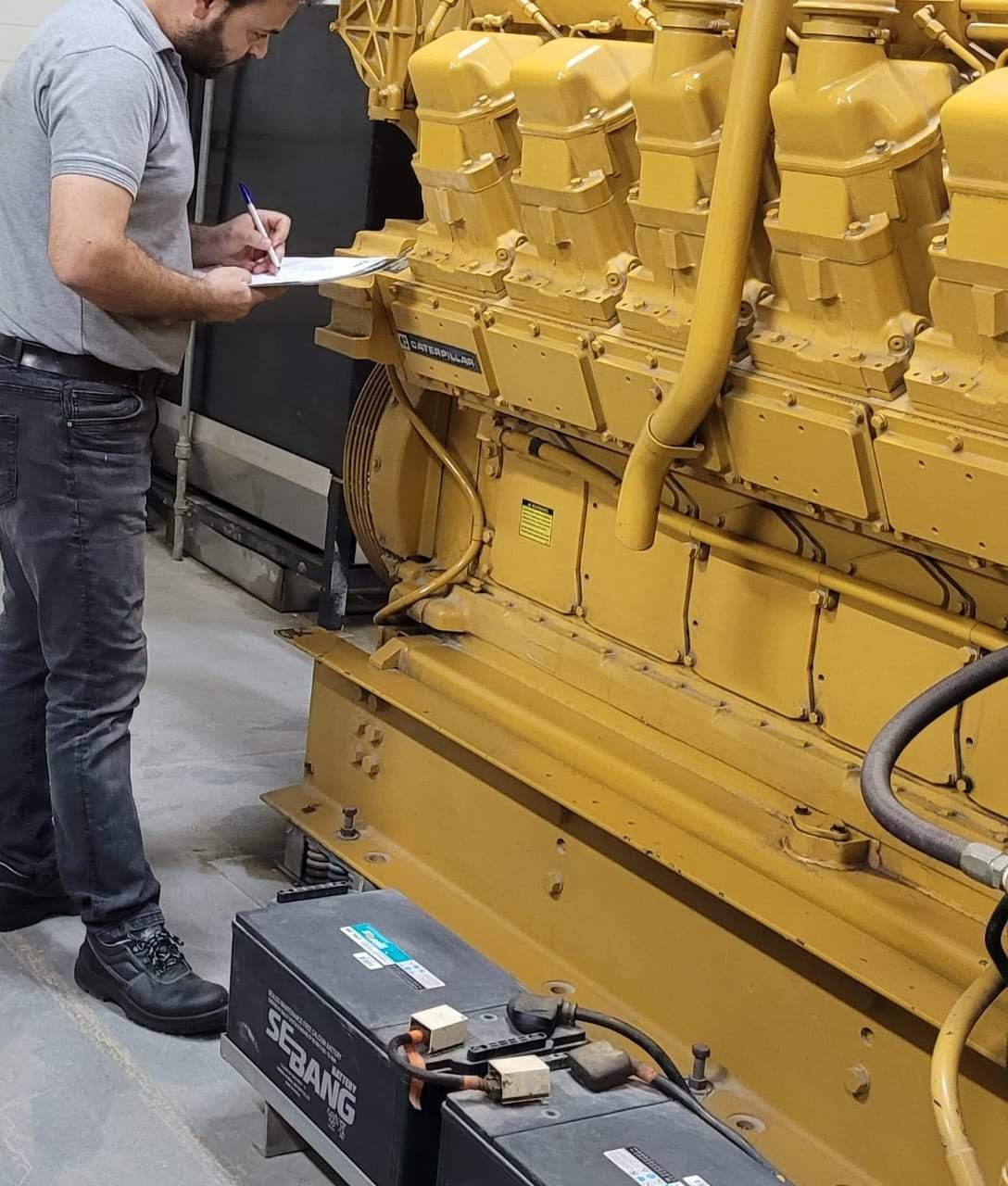
Generators are more than just a convenience; they're critical lifelines during power outages, safeguarding your home, business, or essential equipment. But the peace of mind they offer comes with an ongoing financial commitment. Understanding the true generator running & maintenance costs is key to making a smart investment and avoiding unwelcome surprises down the line. It's not just about the upfront price tag; it's about the fuel, the annual tune-ups, and the occasional repair that keep your guardian of power ready when you need it most.
Think of your generator like a car. You don't just buy it and forget about it. It needs gas, oil changes, tire rotations, and sometimes, a visit to the mechanic. Your generator is no different. Neglect it, and it won't just fail; it could leave you in the dark precisely when you can least afford it, potentially costing you far more in emergency repairs or lost productivity than any routine expense.
At a Glance: Generator Costs
- Annual Maintenance: Typically $300 - $750 for residential/light commercial units, but can range higher for larger or specialized systems.
- Hourly Labor: Expect to pay $75 - $150 per hour for technicians, plus $25 - $75 for travel.
- Running Costs (Fuel):
- Gasoline: $1.75 - $5.25 per hour
- Diesel: $1.50 - $4.56 per hour
- Propane: $2 - $5 per hour
- Natural Gas: ~$1.50 per therm (generally most stable)
- Cost per kWh: Can range from $0.20 to $0.70+, significantly higher than grid electricity, emphasizing generators as backup, not primary power.
- Long-term: A mid-range unit might incur $1,200 - $2,400 in maintenance over five years.
- Savings: Regular maintenance and optimal operation are your best tools for cost control.
The Two Sides of the Generator Cost Coin: Running vs. Maintenance
When budgeting for your generator, it's helpful to separate the ongoing expenses into two main categories: the costs associated with actually running the unit (primarily fuel) and the costs of maintaining it to ensure reliability and longevity. Both are vital, and understanding their drivers will help you manage your investment effectively.
Decoding Generator Running Costs: Fueling Your Backup
The most immediate and often largest expense when your generator is in use is its fuel. This cost fluctuates significantly based on fuel type, generator size, and how much power you're demanding from it.
Fuel Type: The Heart of Your Generator's Budget
The type of fuel your generator uses is arguably the biggest determinant of its running costs. Each has its pros, cons, and associated price tag.
- Gasoline Generators: These are common for portable units due to their widespread availability and ease of refueling. However, gasoline is highly volatile and has a shorter shelf life, requiring stabilization if stored.
- Consumption: Typically 0.5 to 1.5 gallons per hour.
- Hourly Cost: At an average of $3.50/gallon, expect $1.75 to $5.25 per hour.
- Diesel Generators: Known for their durability, efficiency, and longer operational life, diesel units are a popular choice for larger portable and standby applications. Diesel fuel is also less flammable than gasoline.
- Consumption: More fuel-efficient, consuming 0.4 to 1.2 gallons per hour.
- Hourly Cost: At around $3.80/gallon, costs are typically $1.50 to $4.56 per hour.
- Propane Generators (LP): Propane is a cleaner-burning fuel that can be stored in tanks indefinitely without degradation. It's often used for standby generators due to the ability to connect to larger, more permanent tanks.
- Consumption: Varies, but costs are often competitive.
- Hourly Cost: Around $2.50 per gallon equivalent, translating to $2 to $5 per hour.
- Natural Gas Generators: These are almost exclusively standby units, connected directly to your home's or business's natural gas line. This offers an "unlimited" fuel supply during outages (unless the gas supply itself is interrupted) and the lowest price volatility.
- Consumption: Measured in therms or cubic feet.
- Hourly Cost: Around $1.50 per therm (approx. 100 cubic feet). This is generally the most stable and often the cheapest option when available.
Understanding different generator fuel types can help you select the most economical option for your specific needs.
Generator Size and Load: The Efficiency Equation
Just like a car, a generator's fuel efficiency isn't constant; it depends on how hard it's working. Operating a generator at its "optimal load" (usually 50-75% of its rated capacity) will give you the best fuel efficiency. Running it at partial loads or full capacity can lead to less efficient fuel consumption.
- Small Portable (1-5 kW): Designed for basic appliances and electronics. These units have lower fuel consumption but are limited in what they can power.
- Medium-Sized (5-15 kW): Suitable for multiple household devices, refrigerators, and some larger appliances. Moderate consumption.
- Large Standby (15+ kW): Capable of backing up an entire home or commercial building. While their total fuel consumption is higher, they are often designed for greater efficiency at optimal loads.
To accurately budget, you'll need to know your generator's specific fuel consumption rate at various loads. Many manufacturers provide charts for this.
Calculating Your Hourly Fuel Cost:
The basic formula is straightforward:Fuel Consumption (gallons/hour) × Cost of Fuel ($/gallon) = Hourly Fuel Cost
Example: A 7 kW gasoline generator consuming 1 gallon/hour at $3.50/gallon will cost $3.50 per hour to run.
The "Cost per kWh" Metric:
To put generator power in perspective, you can calculate the cost per kilowatt-hour (kWh):Fuel Cost per Hour ÷ kW Output = Cost per kWh
Using our 7 kW gasoline example: $3.50 ÷ 7 kW = $0.50/kWh.
Compare this to your utility's grid electricity rate (often $0.10-$0.25/kWh), and it becomes clear that generators are an expensive source of primary power. Their value is in their reliability as a backup solution. If you need help to properly size your generator to avoid unnecessary fuel waste, professional guidance is highly recommended.
Indirect Running Costs to Consider
While fuel is king, a few other factors subtly add to running expenses:
- Routine Operational Maintenance: While separate from annual service, certain checks are done during operation. This includes checking oil levels frequently, ensuring proper ventilation, and cleaning superficial debris. These prevent larger issues.
- Depreciation: Like any major asset, your generator loses value over time, especially with heavy use.
- Noise Reduction: If your generator is particularly loud and disturbing, you might invest in sound-dampening enclosures, which is an additional cost.
- Compliance: Certain areas have strict noise ordinances or emissions regulations that might require specific (and potentially costly) generator models or modifications.
Unpacking Generator Maintenance Costs: The Price of Preparedness
Beyond fueling your generator, regular maintenance is non-negotiable. It's the preventative medicine that keeps your unit reliable, extends its lifespan, and prevents far more expensive emergency repairs.
The Annual Maintenance Check-Up: Your Generator's Physical
Annual generator maintenance ensures your unit is ready to perform when the lights go out and often helps maintain warranty compliance. These services cover critical inspections, fluid changes, and functional tests.
For residential or light commercial units (those running 0-200 hours/year), you can expect typical annual maintenance costs to range from $300 to $750. However, larger, more complex units or those with specialized fuel systems will naturally incur higher costs.
Key Cost Drivers:
- Unit Size (kW): Bigger generators often mean more fluids, larger filters, and more complex systems to inspect, increasing parts and labor.
- Fuel Type: Diesel units, for example, might have specific fuel filter requirements or injector checks not present in gasoline models.
- Service Complexity: A basic oil and filter change is one thing; a comprehensive load test, valve calibration, or full diagnostic is another.
- Labor Rates: This is often the dominant cost factor.
- Parts & Consumables: Oil, air filters, fuel filters, spark plugs, belts, and specialized lubricants.
- Travel Fees: Technicians often charge a travel fee, especially for remote locations.
Labor Rates: What to Expect from the Experts
Generator technicians are skilled professionals, and their expertise comes at a price.
- Hourly Rates: In the U.S., typical labor costs range from $75 to $150 per hour.
- Travel Fees: Expect an additional $25 to $75 for travel, depending on distance and region.
- Time Required:
- Smaller units (e.g., 10 kW air-cooled): 1-2 hours for a routine inspection.
- Larger or more complex systems (e.g., 20 kW liquid-cooled): 3-4+ hours, especially for load testing or detailed diagnostics.
Regional Variations:
Where you live can significantly impact these rates. The Northeast often sees higher rates, the Midwest generally falls into a mid-range, and the South might offer lower rates (though availability can vary). These regional differences can mean a ±15% to ±30% variance from national averages. Urban markets might have higher travel fees and surcharges, while rural areas could have longer waits but potentially lower hourly rates. Suburban markets usually align with national averages.
Maintenance Cost Scenarios: Real-World Examples
To give you a clearer picture, here are a few common maintenance scenarios:
- 10 kW Air-Cooled Standby (Routine Service):
- 1.5 hours labor @ $110/hr = $165
- Parts (oil, filter, spark plugs) = $40
- Disposal fee = $10
- Total: ~$205
- 14 kW Liquid-Cooled Standby (Load Test, Light Calibration):
- 2.5 hours labor @ $120/hr = $300
- Parts (oil, filter, fuel filter) = $95
- Disposal fee = $25
- Travel fee = $40
- Total: ~$460
- 20 kW Commercial Standby (Full Diagnostic, Battery Check, Calibration, Code Compliance):
- 4 hours labor @ $150/hr = $600
- Parts (oil, filters, battery components) = $180
- Ancillary supplies/testing = $60
- Permit/overhead for compliance = $40
- Total: ~$880
These examples highlight how service complexity and unit size directly influence the final bill.
Long-Term Maintenance: Investing in Durability
A mid-range generator, assuming annual service and minor parts, can incur a five-year maintenance expenditure of $1,200 to $2,400. This demonstrates the ongoing financial commitment but also emphasizes the value of regular care. Consistent maintenance prevents small issues from escalating into major, costly breakdowns.
The Value of Maintenance Plans
Many service providers offer maintenance plans, and these can be an excellent way to manage and predict costs.
- Typical Cost: $250 to $600 per year.
- What's Included: Often covers two inspections annually, discounted parts, and crucial priority scheduling.
- Benefits: Cost predictability, peace of mind, and the assurance that your generator will be serviced before peak demand seasons. Opting for a plan often proves more cost-effective than ad-hoc service, especially if you face emergency rates during a storm or crisis.
If you’re deciding between a portable or a standby unit, remember that standby generators typically have more complex maintenance requirements and thus higher costs.
Smart Strategies to Reduce Generator Costs
While some costs are unavoidable, you have significant control over how efficiently your generator runs and how much you spend on its upkeep.
Optimizing Running Costs
- Operate at Optimal Load: Avoid running a large generator for a small load. Aim for 50-75% of its capacity for the best fuel efficiency. If you primarily need to power a few critical items, consider a smaller, more fuel-efficient portable generator for those specific needs.
- Regular Maintenance (Impacts Running): A well-maintained generator runs more efficiently. Clean air filters, fresh oil, and properly gapped spark plugs ensure your engine isn't working harder than it needs to, preventing fuel waste.
- Fuel Stabilizer: If you store gasoline for your portable generator, use a fuel stabilizer to prevent degradation and keep the fuel fresh, ensuring easy starts and efficient burning.
- Consider Alternative Fuels: If available, natural gas is often the cheapest and most convenient. Propane also offers excellent storage stability and cleaner burning.
- Limit Idle Time: Shut down your generator when it's not powering critical devices. Letting it run unnecessarily wastes fuel.
- Conserve Power During Outages: Even with a generator, be mindful of your electricity usage. Turn off non-essential lights and appliances to reduce the load on your generator, saving fuel.
Mastering Maintenance Costs
- Stick to the Schedule: The manufacturer's recommended maintenance schedule isn't a suggestion; it's a roadmap to longevity and efficiency. Skipping services to save a few dollars now often leads to far more expensive repairs later.
- DIY Basics (for Portables): For portable generators, you can often handle basic tasks like oil changes, spark plug replacements, and air filter cleaning yourself, saving on labor costs. Always consult your owner's manual.
- Professional Service for Standby Units: Standby generators are complex and often tied into your home's electrical system. For these, professional service is crucial for safety, performance, and code compliance. Consider a maintenance plan for cost predictability.
- Off-Peak Servicing: Try to schedule your annual maintenance during off-peak seasons (typically spring or fall, before hurricane season or winter storms). Technicians are less busy, and you might avoid surge pricing.
- Bundle Services: If your technician is already on-site, consider having them perform any minor repairs or additional checks you've been putting off to save on separate travel fees.
- Regular Self-Checks: Even with professional service, regularly check your generator's oil levels, look for visible leaks, ensure proper ventilation, and keep the area around it clean. These simple steps can alert you to issues early. A comprehensive generator maintenance checklist can be incredibly helpful for homeowners.
Critical Considerations Beyond the Dollars
Compliance and Regulations
Operating a generator isn't just about money; it's about safety and adherence to local laws.
- EPA Emissions: Generators must meet Environmental Protection Agency (EPA) emissions standards. Ensure your unit is compliant, especially if replacing an older model.
- Noise Ordinances: Many communities have strict noise regulations. Be aware of these and choose a generator model or consider sound-dampening solutions if necessary.
- Fuel Storage Guidelines: Proper and safe storage of fuel (especially gasoline and diesel) is paramount to prevent fires and environmental hazards. Follow fire codes and environmental safety guidelines.
- Installation Codes: Standby generators require professional installation and must meet National Electrical Code (NEC) and local building codes, including proper transfer switch installation and ventilation.
The Value Proposition: Grid vs. Generator Power
It's important to reiterate that generator power will almost always be more expensive per kWh than grid electricity. The value of a generator isn't in saving money on your electricity bill; it's in preventing losses and providing continuity.
- Preventing Food Spoilage: Keeping your refrigerator and freezer running can save hundreds in lost food.
- Maintaining Business Operations: For businesses, a power outage can mean lost sales, data, and productivity. A generator protects against these potentially massive losses.
- Essential Home Functions: Running heating/cooling, medical equipment, or well pumps can be critical for comfort, health, and safety.
- Data Protection: For home offices or businesses, a generator prevents data corruption or loss from sudden shutdowns.
When you factor in these "intangibles," the cost of running and maintaining a generator becomes a worthwhile investment in security and peace of mind.
What Does a Generator Cost to Own Annually? A Holistic View
Let's tie it all together. To estimate your annual generator ownership cost, combine your expected maintenance with a projection of your running costs.
Example: A 14 kW Standby Generator Owner
- Annual Maintenance: Say you're on a maintenance plan for $400/year, covering two inspections.
- Typical Outage Use: Assume you experience 2-3 outages per year, totaling 50 hours of generator run time.
- Fuel Type: Propane, consuming 1 gallon/hour at $2.50/gallon.
- 50 hours * $2.50/hour = $125 in annual fuel cost.
- Self-Care: You budget $50 for extra oil or a can of fuel stabilizer for testing.
Total Estimated Annual Cost: $400 (maintenance) + $125 (fuel) + $50 (DIY supplies) = $575 per year.
This figure could easily jump if you have more frequent or longer outages, or if your annual maintenance uncovers a need for a major part replacement. But it gives you a solid baseline for budgeting.
Understanding not just the running and maintenance costs, but also what a generator costs initially, helps you see the full picture of your investment. For those looking to boost your generator's efficiency, consider strategies that combine optimal load management with meticulous upkeep.
Your Next Steps for Smart Generator Ownership
Now that you have a comprehensive understanding of generator running and maintenance costs, here’s how to put that knowledge into action:
- Assess Your Needs: Determine your likely usage hours, the criticality of your power backup, and which fuel type makes the most sense for your location and budget.
- Budget Proactively: Factor in both the hourly running costs (based on your estimated usage) and the annual maintenance fees. Don't let these ongoing costs catch you off guard.
- Get a Maintenance Plan: For standby generators, investing in a service plan usually pays for itself in peace of mind, priority service, and potentially lower overall costs compared to emergency repairs.
- Practice Smart Operation: Always strive to operate your generator at its most efficient load, limit idle time, and perform basic pre-checks yourself.
- Stay Compliant: Understand and adhere to all local regulations regarding generator installation, noise, emissions, and fuel storage. Safety should always be your top priority.
By treating your generator as a valuable, long-term investment that requires ongoing care and attention, you ensure it's always ready to protect what matters most when the power goes out.