There's nothing quite like the sudden silence when the power goes out, plunging your home into darkness and disrupting your daily life. For many homeowners, a reliable backup power source isn't a luxury – it's a necessity. But the big question that often sparks concern is: "What does a generator really cost?"
Understanding the true investment in a home generator goes far beyond the initial sticker price of the unit. It encompasses everything from the type of generator you choose and its installation complexities to the ongoing costs of fuel and maintenance. Our comprehensive guide is designed to demystify these expenses, ensuring you make an informed decision for lasting peace of mind. We'll explore all the facets of generator cost, helping you prepare your home for any outage.
Understanding the Upfront Investment: Generator Purchase Prices
The journey to backup power often begins with selecting the right generator type for your needs. Broadly, you'll encounter two main categories: portable generators and whole-house standby generators. Portable units, ideal for powering essential circuits or specific appliances, typically range from $500 to $2,500. They offer flexibility and a lower entry price point, but require manual setup during an outage.
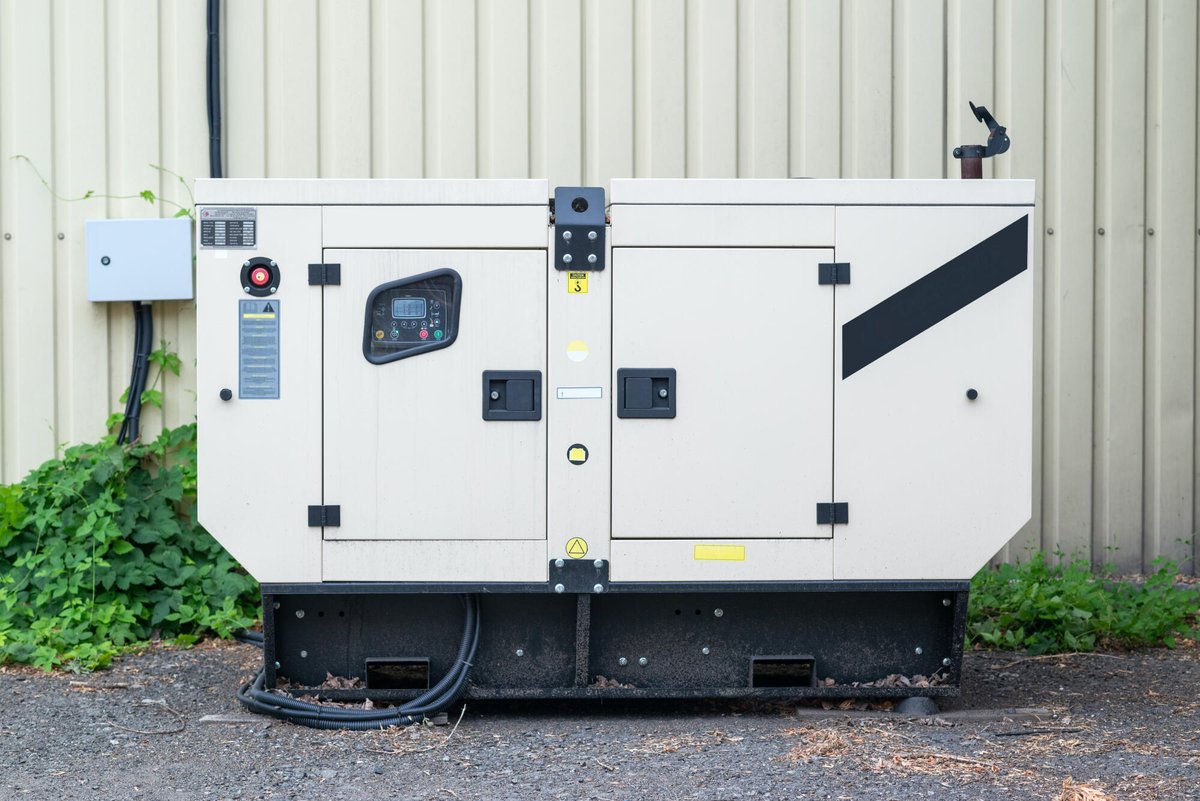
Whole-house standby generators, on the other hand, are permanent installations that kick in automatically the moment your power fails. These powerful units, capable of powering an entire home, usually cost between $3,000 to $6,000 for the unit alone. Leading brands like Generac, Kohler, Briggs & Stratton, and Cummins offer a range of options, with units from 6 kW to 48 kW designed to fit various home sizes and power demands. To dive deeper into the specific prices for different models and capacities, you'll want to View Upfront Generator Purchase Costs.
Beyond the Box: Unpacking Generator Installation and Setup Costs
The unit itself is only one piece of the puzzle. Getting your generator properly installed and integrated into your home's electrical system involves several significant costs. For a whole-house generator, labor alone can run from $3,000 to $5,000, and potentially $5,000 to $12,000+ for larger systems or more complex installations requiring longer distances for wiring and gas lines. Electricians typically charge $50 to $130 per hour for this specialized work.
Crucially, you'll need a transfer switch or interlock kit, which safely connects your generator to your home's electrical panel. Installing a transfer switch can cost anywhere from $400 to $2,500, while a more basic interlock for portable generators typically runs $400 to $850. Don't forget the necessary permits (electrical, plumbing, mechanical), which can collectively add $80 to $450 to your total, and a concrete pad for your standby unit, costing $150 to $400. All these components contribute to the full picture of How much does a generator cost to get up and running.
The Ongoing Investment: Running and Maintenance Expenses
Once your generator is installed, the costs don't stop there. Just like a car, a generator needs fuel to run and regular maintenance to ensure it's ready when you need it most. Standby generators can consume 133 to 330 cubic feet of natural gas or 3.16 to 3.45 gallons of liquid propane per hour, translating to a running cost of $30 to $170 per day during an outage. These units are designed for endurance, capable of running continuously for up to 500 hours (about three weeks) and boasting a lifespan of 15 to 30 years or 10,000 to 30,000 hours with proper care.
Annual maintenance is vital for longevity and reliable operation, typically costing $200 to $650 and including inspections, oil changes, and filter replacements. For the DIY-inclined, maintenance kits are available for $20 to $110. Understanding these ongoing expenses is key to truly Unlock generator cost savings over the generator's lifetime.
What Drives the Price: Key Factors Influencing Generator Costs
Several factors significantly impact the overall price of a generator system. The most prominent include the generator's size (measured in kilowatts, or kW), which determines how much of your home it can power – a 13 to 20 kW generator is often sufficient for a home up to 3,000 square feet. The chosen fuel type also plays a critical role, as different fuels have varying unit costs, storage requirements, and consumption rates.
Installation complexity, such as the distance from the electrical panel and gas meter, the extent of required wiring and gas plumbing, and local labor rates, all contribute to the final bill. Features like automatic turn-on, remote monitoring capabilities, and advanced power management systems offered by premium brands can also push the price higher. To fully grasp these nuances, you'll want to explore Berikut beberapa opsi: Understand generator costs.
Fueling Your Choice: A Comparative Look at Generator Costs by Fuel Type
The type of fuel your generator uses can dramatically affect both its initial purchase price and its ongoing running costs. Natural gas generators are popular for homes with existing gas lines, with units typically costing $3,000 to $6,000 for a unit capable of powering a home up to 3,000 sq ft. Liquid propane (LP) generators, ideal where natural gas isn't available, range from $2,000 to $6,000 for the unit alone, though you'll also need to factor in the cost of a propane tank ($400 to $1,800).
Diesel generators, generally larger and more robust, come with a higher initial unit cost of $5,000 to $18,000 but offer fuel efficiency and long-term storage options. Each fuel type presents a different balance of upfront expense, convenience, and operational cost. For a more detailed breakdown, check out Comparative Generator Costs by Fuel.
Finding the Right Installer: A Crucial Step
Selecting a qualified installer is paramount for safety and efficiency. Always obtain at least three in-person estimates. Ensure your chosen electricians are experienced in generator installation, and for gas generators, confirm they are certified for gas plumbing or partner with qualified professionals.
When vetting potential installers:
- Read reviews on platforms like HomeGuide and Google.
- Verify that companies are insured, bonded, and have been in business for over five years.
- Ask key questions:
- "How long have you been installing generators, and how many have you completed?"
- "Will your company handle gas plumbing, or do you use subcontractors?"
- "Can you provide references?"
- "Are you licensed, bonded, and insured?"
- "What associated costs might arise that aren't in the initial quote?"
- "What permits are needed, and will you obtain them?"
- "What is your payment schedule?"
Avoid the lowest bid if it seems too good to be true, as quality can suffer. Always request a written contract and warranty, and arrange a payment schedule based on work completed rather than large upfront payments. Remember, a whole-house generator should be installed outdoors, at least five feet from doors, windows, vents, and flammable materials, keeping local noise ordinances in mind (they typically produce 60-70 decibels from 25 feet).
The Long-Term Value of Your Investment
While the costs associated with a home generator are substantial, it's also an investment that offers significant returns. A whole-house generator can increase your home's value by an estimated 5% and potentially offer up to a 150% return on investment, according to sources like Consumer Reports and Remodeling magazine. Beyond monetary value, the peace of mind, comfort, and security it provides during an outage are invaluable.
Choosing a home generator is a significant decision, and understanding the full scope of generator costs – from purchase and installation to ongoing running and maintenance expenses – is essential. By considering all these factors and utilizing the insights provided in our detailed pillar articles, you can confidently select and install the perfect backup power solution for your home, ensuring comfort and security no matter what the weather brings.