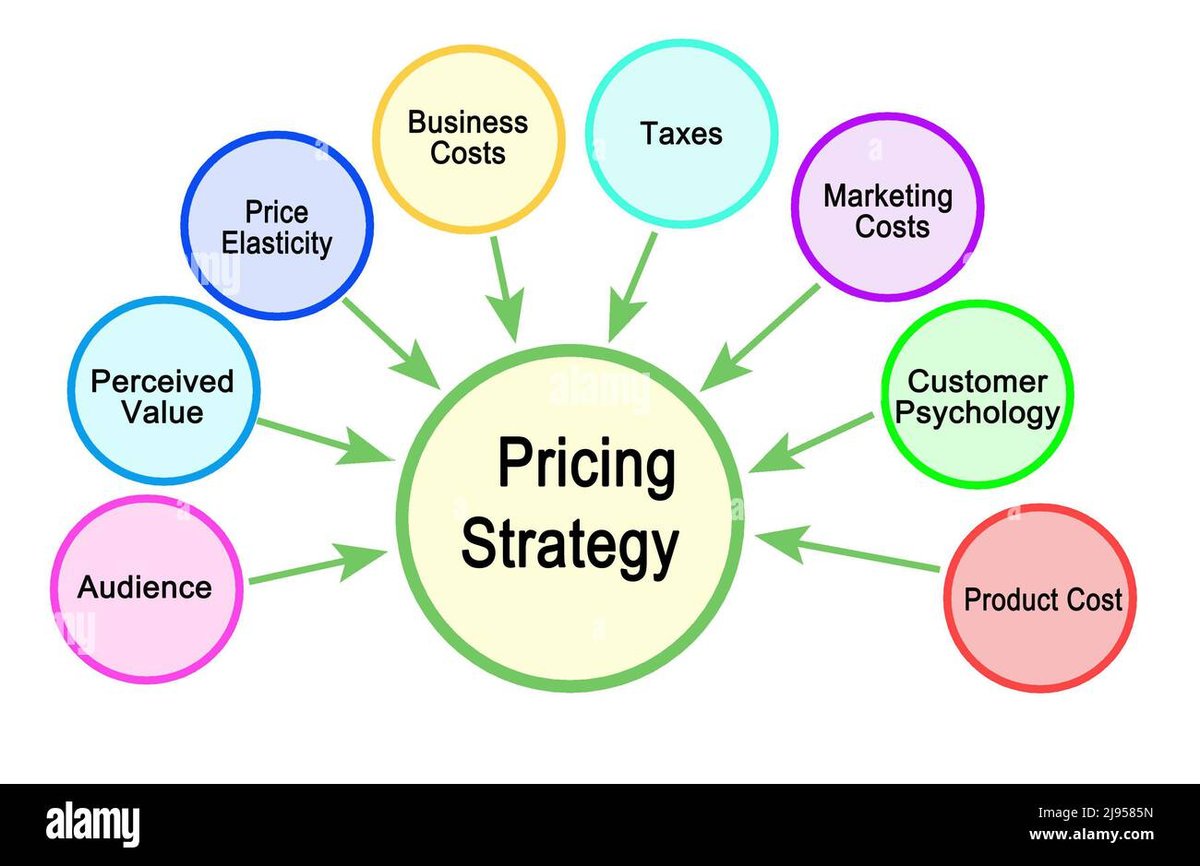
Understanding the true cost of a generator goes far beyond its sticker price. Many factors influencing generator pricing can dramatically shape your final investment, turning a seemingly affordable purchase into a much larger commitment once installation and ongoing maintenance are considered. Whether you're safeguarding your home against power outages or ensuring business continuity, navigating these variables is crucial to making an informed decision.
At a Glance: Key Takeaways for Generator Pricing
- Capacity is King: The power output (kW) is the primary cost driver; bigger capacity means bigger price.
- Standby vs. Portable: Portable units are significantly cheaper upfront but less automated than permanent standby systems.
- Fuel Type Matters: Diesel, natural gas, propane, and gasoline each have different unit costs, installation requirements, and long-term fuel expenses.
- Installation Isn't Optional: Site preparation, electrical work, permits, and labor often add 30-50% to the total project cost.
- Regional Variances: Labor rates, material availability, and local codes can cause prices to fluctuate by 10-20% across different regions.
- Don't Forget the "Hidden" Costs: Electrical panel upgrades, sound enclosures, and extended warranties are often extra.
- Brand Reputation: Established brands like Cummins, Generac, and Kohler typically command higher prices but offer proven reliability and support.
- Total Cost of Ownership: Consider not just the purchase price, but also fuel, maintenance, and potential repairs over the generator's lifespan.
Decoding the Price Tag: Core Factors Influencing Generator Pricing
When you start looking at generators, the sheer range of options—and their corresponding price tags—can feel overwhelming. But once you break down the core components, it becomes much clearer why some units cost hundreds and others tens of thousands.
Power Capacity (Kilowatts)
The most significant factor in generator pricing is its power capacity, measured in kilowatts (kW). Simply put, the more power a generator can produce, the more it costs. This is because higher capacity units require larger engines, more robust alternators, heavier-duty components, and often more sophisticated cooling and control systems.
- Small Portable (3,000-7,500W): These are entry-level units, ideal for powering a few essential appliances during an outage or for recreational use. Expect these to be on the lower end of the spectrum, typically from $400 for the unit itself.
- Mid-Range Standby (10-20kW): These units can power most of a typical home, including major appliances and often central air conditioning. This is a common size for residential standby generators.
- Large Residential/Light Commercial (20-45kW): Suitable for larger homes, small businesses, or properties with high power demands.
- Heavy-Duty Commercial/Industrial (50kW+): These are industrial-grade powerhouses designed for continuous operation, critical infrastructure, or large commercial enterprises. Their pricing scales dramatically with capacity, reaching into the hundreds of thousands for multi-megawatt systems.
Generator Type: Portable vs. Standby Systems
Your choice between a portable and a standby generator dramatically impacts the overall investment. They serve different purposes and come with vastly different cost structures.
Portable Generators: Your Flexible Power Solution
Portable generators are designed for mobility and convenience, perfect for occasional use, camping trips, job sites, or powering essential items during short outages.
- Lower Upfront Cost: The primary advantage is their accessibility. You can find basic portable units for as little as $400, though more robust models with higher wattage, electric start, and inverter technology will naturally cost more. A typical 6000W basic portable unit might run you $1,000–$1,400 fully installed, including the unit, basic labor, permits, delivery, and disposal.
- Manual Operation: They require manual setup, fueling, and starting. You'll need to run extension cords to your appliances, or connect via a manual transfer switch for direct home power.
- Fuel: Most commonly run on gasoline, though propane and dual-fuel options are available.
- Installation: Minimal compared to standby. Installation primarily involves ensuring proper ventilation and, optionally, setting up a manual transfer switch (which adds to the cost but is highly recommended for safety and convenience). Labor for a portable generator install might take 2–6 hours.
Standby Generators: Automatic Peace of Mind
Standby (or "whole-house") generators are permanently installed outside your home or business, connected directly to your electrical system. They monitor the utility power and automatically kick on within seconds of an outage, providing seamless power without any manual intervention.
- Higher Initial Investment: This convenience and sophistication come at a much higher price point. The generator unit alone for a mid-range residential standby system (e.g., 12kW) might start around $3,000, with total costs often ranging from $4,500–$7,000, including installation. Premium, high-efficiency 20kW units with advanced features can easily push the total to $9,000–$15,500 or more.
- Automatic Operation: Equipped with an automatic transfer switch (ATS) that detects power loss and automatically switches the power source from utility to generator, then back again when utility power is restored. This ATS is a significant component of the cost.
- Fuel Source: Primarily run on natural gas or liquid propane (LP), requiring connections to your home's existing fuel lines or a dedicated LP tank.
- Complex Installation: Requires professional installation by licensed electricians and plumbers/gas fitters. This involves site preparation, a concrete pad, electrical wiring, fuel line connections, permits, and inspections. Labor for a standby system with an ATS can take 8��20 hours.
Fuel Type: Gas, Propane, Diesel, or Natural Gas?
The fuel a generator uses profoundly impacts its upfront cost, installation complexity, and long-term operating expenses.
- Gasoline: Common for portable generators due to easy availability. However, gasoline degrades over time, requires more frequent refueling, and poses storage challenges. Generators designed for gasoline tend to be less expensive upfront.
- Propane (LP): A popular choice for standby generators and some portable units. Propane stores well, burns cleanly, and is readily available. If you don't have natural gas, a dedicated propane tank and line installation will add to your initial costs. Propane generators generally fall in the mid-range for unit cost.
- Natural Gas: The most convenient fuel for standby generators if you have a natural gas line to your property. It offers an endless supply, no need for refueling, and clean burning. While the generator unit might be slightly more expensive than a propane-only model, the convenience often outweighs the cost. Connecting to an existing natural gas line is typically less expensive than installing a large propane tank.
- Diesel: Favored for heavy-duty commercial, industrial, and some large residential applications due to its power, efficiency, and durability. Diesel generators often have a higher upfront cost, but diesel fuel provides excellent energy density and engine longevity. However, diesel fuel can gel in cold temperatures, and the units can be louder and require more extensive exhaust systems.
Enclosure and Noise Reduction
Nobody wants a roaring engine disturbing their peace, especially in a residential neighborhood. Generator enclosures serve multiple purposes: protecting the unit from weather, reducing noise, and providing a level of security.
- Standard Enclosures: Most standby generators come with a weather-resistant enclosure, usually made of steel or aluminum. These provide basic protection.
- Sound Attenuation: To significantly reduce operational noise, manufacturers use specialized sound-deadening materials and designs within the enclosure. These "quiet" or "low-decibel" enclosures add to the manufacturing cost and, consequently, the price.
- Custom Enclosures: For highly sensitive environments or specific aesthetic requirements, custom-built enclosures can be extremely expensive.
Advanced Features and Technology
Modern generators offer a suite of features that enhance convenience, safety, and efficiency, each adding to the final price.
- Automatic Transfer Switch (ATS): Essential for standby generators, the ATS automatically senses power outages and switches the generator on. High-end ATS units offer more sophisticated load management and faster transfer times.
- Remote Monitoring: Allows you to check your generator's status, fuel levels, and maintenance alerts from your smartphone or computer, offering immense peace of mind.
- Digital Controls: Advanced digital displays and microprocessors provide more precise control, diagnostic information, and self-testing capabilities.
- Cold Weather Kits: Essential in colder climates, these kits ensure reliable starting in freezing temperatures.
- Emissions Compliance: Generators designed to meet stringent emissions standards (e.g., CARB compliant in California) often incorporate more complex engine technology, increasing their cost.
- Higher SEER/Efficiency: More efficient generators consume less fuel, but these energy-saving technologies typically come with a higher initial price tag.
Beyond the Unit: The Installation & Total Project Cost
The generator unit itself is often less than half of the total project cost, especially for standby systems. Installation, permits, and site preparation can add a significant percentage. Understanding what a generator costs means looking at the whole picture.
Site Preparation
Before any wiring or plumbing begins, your site needs to be ready.
- Level Pad: Standby generators require a level, stable surface, often a concrete pad, to sit on. This involves excavation and pouring concrete.
- Clearance: Generators need adequate clearance for ventilation, maintenance, and safety, meaning shrubs or other obstacles may need to be removed.
- Trenching: If fuel lines or electrical conduits need to be buried to connect the generator to your home's system, trenching adds considerable labor and equipment costs.
Electrical Work & Connections
This is where the bulk of the installation cost for standby generators lies.
- Wiring: Connecting the generator to your home's main electrical panel and the automatic transfer switch requires skilled electrical labor.
- Panel Upgrades: Older electrical panels may not have the capacity or space to accommodate the new generator wiring or ATS, necessitating a costly panel upgrade.
- Sub-Panels: For larger homes, a sub-panel might be installed to manage specific loads powered by the generator.
Fuel Line Installation
- Natural Gas Connection: If you're tapping into an existing natural gas line, a licensed plumber or gas fitter will need to install a new, dedicated line of the correct size to the generator.
- Propane Tank & Lines: For propane, you'll need to purchase or lease a large propane tank, have it delivered and installed, and then run fuel lines to the generator. The tank itself and its installation are major cost components.
Permits, Inspections, and Code Compliance
Don't skip these! They protect you and ensure your installation is safe and legal.
- Local Permits: Nearly all generator installations require permits from your local municipality for electrical, plumbing, and sometimes building work. These fees typically range from $50 for simple portable setups to over $1,000 for complex standby systems.
- Inspections: After installation, county or city inspectors will need to approve the work, ensuring it meets all local and national electrical, gas, and building codes.
- Code Compliance: Adhering to specific local electrical codes (which can be more stringent than national standards, e.g., in the Northeast) can sometimes necessitate extra materials or labor, increasing costs.
Labor Rates and Regional Differences
The cost of professional installation varies significantly based on where you live.
- Labor Rates: Electricians and gas fitters typically charge between $60–$120 per hour. The total labor cost depends on the complexity and duration of the install. Portable generator installs might take 2-6 hours, while standby systems can require 8-20 hours, sometimes more for complex sites.
- Regional Deltas: Prices vary by region due to labor demand, material availability, and specific local codes. For instance, the Northeast might see 15–20% higher costs due to stricter electrical codes and higher labor rates. The Midwest often has lower labor rates, while the West may incur higher delivery costs for heavy equipment. These regional differences can create price deltas of ±10–20%.
Warranty and Service Plans
While not part of the initial "unit" cost, these are crucial for long-term peace of mind and are often factored into the total investment.
- Standard Warranty: Most reputable brands offer a standard warranty covering parts and labor for a few years.
- Extended Warranties: For an additional cost, you can extend your warranty coverage, protecting you from unexpected repair bills for a longer period.
- Maintenance Contracts: These plans typically cover routine inspections, oil changes, and filter replacements, ensuring your generator remains in top condition and its warranty stays valid. Bundling these can sometimes save you money.
Spotlight On: Cummins Generator Pricing
Cummins is a global leader, renowned for its robust and reliable power generation solutions, from small residential units to massive industrial systems. They compete fiercely with brands like Generac, Caterpillar, and Kohler. When considering a Cummins generator, several factors specifically influence their pricing.
Cummins Generator Lines and General Price Ranges:
- Homeowner Standby (8 to 20 kW): Designed for residential use, these units typically include automatic transfer switches and remote monitoring capabilities. Expect prices ranging from approximately $4,000 to $15,000 for the unit itself.
- Portable/Mobile (10 to 150 kW): While not their primary focus for small portables, Cummins offers robust mobile generators for various applications. These range from $7,000 to $45,000.
- Quiet Diesel Series (Residential/Light Commercial, 15 to 250 kW): Known for their quiet operation and durability, these diesel units are suitable for larger homes or light commercial properties. Prices can range from $8,000 to $55,000.
- Large Commercial/Industrial (250 kW up to 2000+ kW): These are heavy-duty, often custom-engineered solutions for critical infrastructure, data centers, and large facilities. Pricing can start at $40,000 and easily exceed $300,000 for multi-megawatt configurations.
Specific Factors Affecting Cummins Generator Price:
- Power Capacity (kW): As with any brand, a higher power output directly correlates with a higher price due to larger engines, alternators, and more complex engineering.
- Fuel Type: Cummins offers generators across diesel, natural gas, and propane. Diesel models, while often more expensive upfront, are celebrated for their durability and long-term fuel efficiency in heavy-use scenarios. Natural gas and propane units offer convenience for residential and commercial standby applications.
- Enclosure and Noise Reduction: Cummins prioritizes quiet operation, especially in their residential and light commercial lines. Generators featuring advanced sound-attenuated and weather-resistant enclosures will naturally cost more due to added materials and specialized manufacturing processes.
- Additional Features and Controls:
- Advanced Digital Controls: Sophisticated control panels with enhanced diagnostics and monitoring capabilities.
- Remote Monitoring: Cummins' connectivity solutions allow owners to monitor their generators via apps, adding to convenience and cost.
- Automatic Transfer Switches (ATS): Essential for seamless power transfer, these come in various capacities and feature sets, each impacting the price.
- Emissions Compliance: Units designed to meet strict environmental regulations often incorporate advanced exhaust treatment systems, increasing the cost.
- Installation and Delivery: These costs are almost always separate from the base generator price. For a robust Cummins unit, expect significant expenses for site preparation, trenching, electrical panel upgrades, and delivery. These can easily be thousands of dollars.
- Warranty and Service Plans: Cummins offers comprehensive warranties, and extended coverage or bundled service plans will add to the initial expenditure but can significantly reduce unexpected future costs.
Total Cost of Ownership for Cummins Generators:
When investing in a Cummins generator, consider the long-term total cost of ownership:
- Routine Maintenance: Cummins generators, like any complex machinery, require scheduled servicing, oil changes, and filter replacements to maintain performance and warranty validity.
- Fuel Consumption: This varies by model, fuel type, and operating load. Diesel models often prove more fuel-efficient over extended periods of operation.
- Parts Availability: A significant advantage of Cummins is its extensive dealer and service network across the US, ensuring readily accessible parts and expert technicians.
- Warranty Coverage: Leveraging their robust warranty and considering extended plans can mitigate potential unexpected repair expenses.
Making Smart Choices: Ways to Save Without Sacrificing Reliability
A generator is an investment, and like any investment, you want to get the best value. Here’s how to be strategic about your purchase:
- Balance Upfront Cost with Long-Term Reliability: Don't just pick the cheapest option. A lower-priced unit with a poor reputation might cost you more in repairs and headaches down the road. Reliable brands, even with a higher initial price, often have lower total costs of ownership.
- Right-Size Your Generator: Overbuying capacity is a common and expensive mistake. Carefully calculate your actual power needs. A professional assessment can prevent you from paying for power you don't use.
- Choose Portable for Occasional Use: If your power outages are rare, short-lived, and you only need to power a few essential items, a portable unit offers substantial initial savings.
- Bundle Services: When purchasing a standby system, inquire about bundling the automatic transfer switch, installation services, and even initial maintenance plans. This can often result in discounts on labor or parts.
- Look for Seasonal Promotions: Many dealers offer discounts during off-peak seasons (e.g., late spring/early summer before hurricane season ramps up) or around holidays.
- DIY What You Can (Safely): For portable units, you might be able to handle delivery and basic setup yourself, saving on labor. For standby units, always hire professionals for electrical and gas work, but you might prepare the site (e.g., clear brush, dig a trench) to reduce some labor costs.
Decoding the Quote: Real-World Generator Pricing Examples
To illustrate how these factors combine, let's look at some typical scenarios:
1. Basic Portable Generator (6000W)
- Scenario: You need backup power for a few essential appliances (refrigerator, some lights, phone charging) during occasional, short outages. You're comfortable with manual operation.
- Components: Manual start unit, no weatherproof enclosure (unit stored in a garage).
- Estimated Total Cost: $1,000–$1,400
- Generator Unit: $400 (e.g., a reputable 6000W gasoline portable unit)
- Labor: $300 (for basic setup, perhaps a dedicated outdoor outlet or manual transfer switch connection, 3-5 hours @ $60-$100/hr)
- Permits: $50 (for basic electrical work, if required)
- Delivery: $200 (if unit is large or if you don't pick it up)
- Disposal: $50 (for old unit or packaging)
- Note: This does not typically include a transfer switch unless specified, which would add $200-$500 for the switch itself plus additional labor.
2. Mid-Range Standby Generator (12kW)
- Scenario: You want automatic whole-home backup for a modest-sized home, including major appliances and some HVAC, with seamless power transfer.
- Components: Automatic transfer switch (ATS), standard weather enclosure, running on natural gas.
- Estimated Total Cost: $4,500–$7,000
- Generator Unit: $3,000 (e.g., a Generac, Kohler, or Cummins 12kW unit)
- Labor: $1,500 (15-20 hours @ $75-$100/hr for electrical, gas, and site work)
- Permits: $350 (for electrical, gas, and building permits)
- Delivery: $250 (heavy equipment delivery)
- Enclosure: $300 (standard included in unit price, but sometimes listed separately or for upgrades)
- Warranty: $600 (could be extended warranty or enhanced coverage)
- Potential Add-ons: Trenching, electrical panel upgrade, larger gas line, or propane tank purchase could easily add $1,000-$3,000+.
3. Premium High-Efficiency Standby Generator (20kW)
- Scenario: You need robust, quiet, whole-home backup for a larger residence or small business, including multiple HVAC units, advanced electronics, and a focus on fuel efficiency.
- Components: High-efficiency unit, sound-attenuated weather enclosure, advanced safety features, remote monitoring, automatic transfer switch.
- Estimated Total Cost: $9,000–$15,500
- Generator Unit: $7,000 (e.g., a premium 20kW unit from Cummins, Generac, or Kohler)
- Labor: $4,000 (extensive electrical, gas, and site prep, potentially panel upgrades, 25-40 hours @ $100-$120/hr)
- Permits: $1,000 (complex permits for larger system, extensive work)
- Delivery: $1,000 (specialized delivery for heavy, larger unit)
- Enclosure: $800 (for advanced sound-attenuated/premium weather enclosure)
- Warranty: $900 (extended, comprehensive coverage)
- Contingency: $800 (for unforeseen site issues or minor upgrades)
- Potential Add-ons: Large propane tank ($1,500-$3,000+), extensive trenching, significant electrical panel upgrade, or complex load management systems could push this well past $15,500.
These examples clearly show that the unit price is just one piece of the puzzle. The true cost hinges on your specific needs, site conditions, and the complexity of the installation.
Optimizing Your Purchase: Tips for Acquiring Accurate Generator Pricing
Getting the most accurate quote is crucial for budgeting and decision-making. Don't rely on online list prices alone.
- Contact Authorized Dealers for Customized Quotes: This is the most reliable way to get pricing. Authorized dealers understand the nuances of the products, local regulations, and installation requirements.
- Request On-site Evaluations: A reputable dealer will offer an on-site assessment. This allows them to correctly size the generator for your specific needs, identify potential site preparation challenges (like trenching or electrical panel upgrades), and provide a truly accurate, all-inclusive quote.
- Compare Multiple Offers: Get at least three detailed quotes from different authorized dealers. This helps you understand the price range for your specific project and compare not just the unit cost, but also labor, permits, and included features.
- Check for Incentives and Rebates: In some regions, there might be local utility incentives or rebates for installing energy-efficient generators or for switching to natural gas. Always ask your dealer about potential savings.
- Insist on Full Installation Services in Your Budget: Ensure your quote explicitly lists all components: generator unit, automatic transfer switch, electrical labor, gas fitting, concrete pad, permits, delivery, and any necessary upgrades. Avoid quotes that only provide the "unit price."
Financing and Purchasing Your Generator Investment
For a significant investment like a standby generator, financing options can make it more accessible.
- Financing Solutions:
- Equipment Financing: Many dealers offer low-interest loans directly or through partners, allowing you to pay for your generator over time.
- Home Equity Loans/Lines of Credit: If you have equity in your home, these can be a cost-effective way to finance a large purchase.
- Personal Loans: Less common for large generators, but an option for those with excellent credit.
- Leasing Programs: For commercial applications, leasing can be an attractive option, preserving capital and offering potential tax benefits.
- Rental Options: If you only need temporary power for a specific event or short-term project, renting a generator is often the most cost-effective solution.
- Purchasing Channels:
- Official Dealers: The most recommended route, offering expertise, installation services, warranties, and post-sales support.
- Online Authorized Retailers: Can sometimes offer competitive prices on the unit itself, but you'll still need to arrange for professional installation separately. Always verify vendor credentials.
- Government and Commercial Suppliers: For larger institutional purchases, specialized suppliers cater to bulk orders and complex requirements.
No matter where you purchase, always verify vendor credentials, request product documentation, and ensure you understand the warranty and return policies.
Your Power, Your Price: Taking the Next Step
Navigating the factors influencing generator pricing doesn't have to be a bewildering experience. By understanding the core drivers—capacity, type, fuel, installation, and specific features—you can approach the market with confidence. Remember, the true value of a generator isn't just its cost, but the peace of mind and continuity it provides when the lights go out. Armed with this knowledge, you're now ready to engage with professionals, ask the right questions, and secure the generator solution that perfectly fits your needs and budget.